

Furniture Restoration Techniques: Strip, Repair, and Refinish Correctly
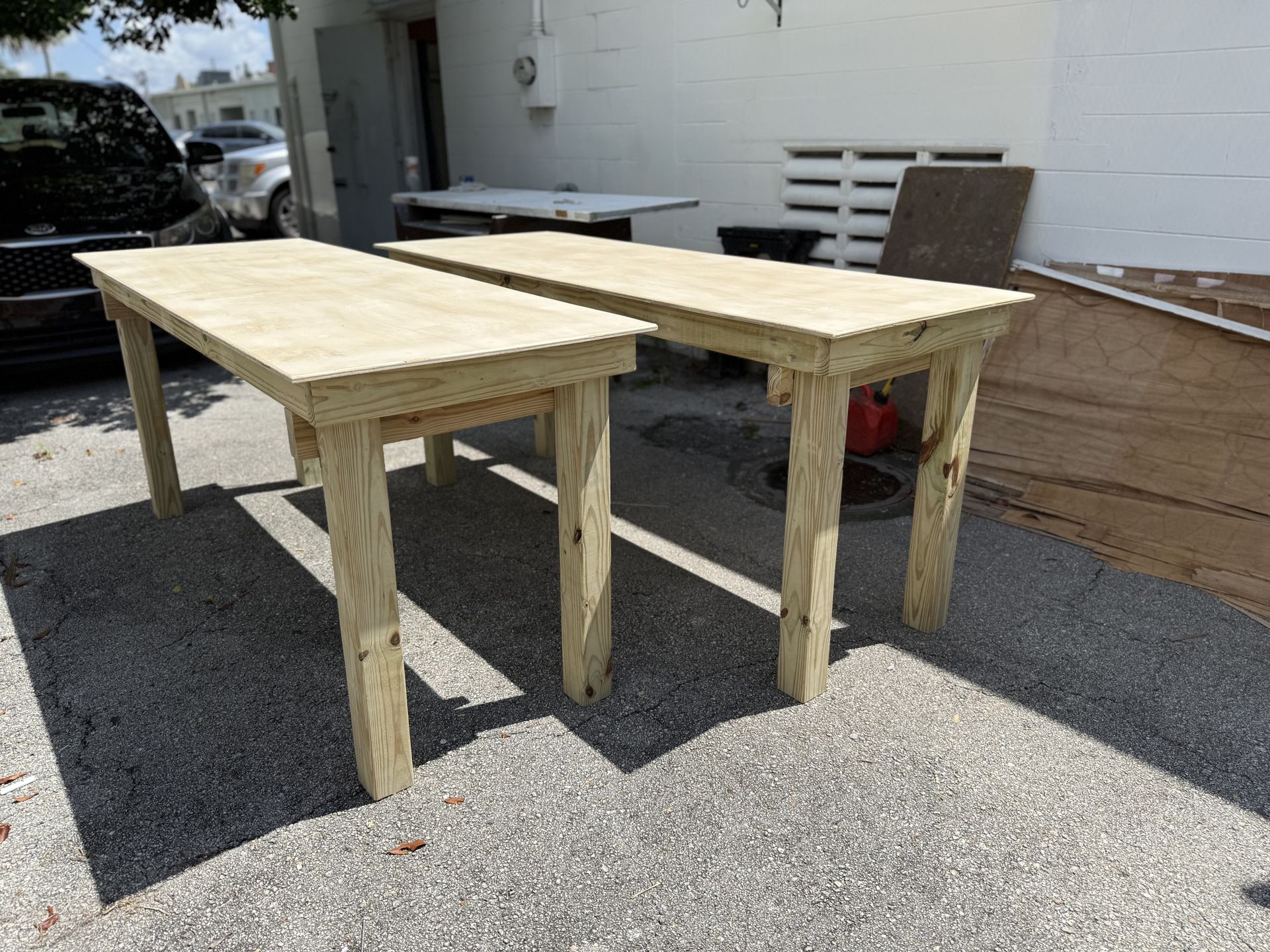
Furniture restoration is a specialized skill set that combines knowledge of historical finishing methods, wood repair, color chemistry, and finish application in a context where the target is matching the existing piece rather than applying a fresh system. The work requires patience, the right products, and the discipline to stop when the goal is "good enough to serve the piece's history" rather than "as good as new."
This guide covers the three phases of serious furniture restoration: assessment and stripping, structural and surface repair, and refinishing to match original or period-appropriate finishes.
Phase 1: Assessment
Before any work begins, assess what you have:
What finish is currently on the piece? The type of original finish determines the stripping approach, the repair options, and the refinishing path. Tests:
- Alcohol test: Apply denatured alcohol to an inconspicuous area. If the finish softens or dissolves: shellac (confirmed) or lacquer (partially).
- Lacquer thinner test: Apply to a softened area. If it dissolves further or produces a sticky residue: lacquer.
- Mineral spirits test: If the finish softens with mineral spirits: oil-varnish or Danish oil (penetrating finish).
- If nothing dissolves it: polyurethane, conversion varnish, or a cured catalyzed finish.
Is the finish worth stripping, or can it be cleaned and refreshed? Many pieces brought in as "needs refinishing" actually only need thorough cleaning and a surface restoration product (Howard Restore-A-Finish, Old Masters Feed-n-Wax). True refinishing — stripping to bare wood — is destructive of the patina that antique pieces develop over decades and should be the last resort, not the first response.
Age and historical significance: For pieces over 100 years old with original finish, consult a furniture conservator before stripping. The original finish is part of the artifact's documentary history. For most 20th-century furniture with damaged finishes: strip and refinish is appropriate.
Structural integrity: Before refinishing, identify and address:
- Loose joints (glue failure is visible as open seams, wobble, or visible gap)
- Cracked or split wood
- Missing or damaged veneer
- Hardware damage
Phase 2: Stripping
Chemical Stripping
Methylene chloride (MC) strippers — previously the standard industrial furniture stripper — have been substantially restricted. The EPA finalized a rule in 2019 phasing out methylene chloride from consumer use as a paint and coating remover (40 CFR Part 755). It remains available for commercial use under specific safety protocols.
N-methyl-2-pyrrolidone (NMP) and benzyl alcohol-based strippers are the current consumer and light commercial alternatives:
- Citristrip, Dumond Peel Away: NMP-based, safer handling, slower working time (30 minutes to several hours vs. MC's 10–15 minutes)
- Soy-based strippers (Soy Gel): biodegradable, very slow (4–24 hours), good for detailed carvings where slow dissolution allows thorough penetration
Application: Apply liberally with a natural bristle brush (no synthetic — solvent strippers dissolve many synthetics). Cover with plastic sheeting to retain moisture and extend working time. Wait the full time; premature scraping leaves stripper residue in wood pores that affects finish adhesion.
Neutralization: After mechanical removal of stripped finish, wipe all surfaces with clean mineral spirits (for oil-based stripper residue) or water (for NMP strippers). Allow complete drying before any finish is applied.
Carved and detailed areas: Use natural bristle brushes in varying stiffness, dental picks, and sharpened dowels to remove softened finish from recesses, grooves, and carved details. Never use metal picks on carved surfaces — they leave scratches that cannot be removed without further carving.
Mechanical Stripping
Heat gun and scraper: Effective on thick paint buildup. Work in sections; apply heat until the finish bubbles (not burns), then scrape immediately with a metal scraper following the grain direction. Do not overheat; scorching the wood surface raises the grain and discolors the wood.
Random orbit sander: Appropriate for flat surfaces after chemical stripping removes the bulk finish. Start at 80–100 grit only if necessary; jump to 120–150 grit as quickly as the surface allows to minimize cross-grain scratching that shows through clear finishes.
Card scraper: The most controlled method for flat surfaces. A properly sharpened card scraper removes finish, raised grain, and minor surface imperfections with no risk of sand-through and no mechanical marking. Essential for veneer work where sanding always risks burning through.
Media blasting: Not appropriate for fine furniture. Soda blasting (sodium bicarbonate) is used for painted exterior surfaces; it will raise grain aggressively on interior hardwood.
Phase 3: Structural and Surface Repair
Loose Joint Repair
Loose furniture joints are almost always failure of the adhesive bond, not failure of the joint geometry. Old hide glue (the standard before PVA adhesives were available, roughly pre-1950s) is reversible with moisture — rehydration with a damp cloth and a heat gun can soften old hide glue enough to disassemble joints for proper repair.
PVA adhesive (Titebond, Elmer's) failures are not reversible without mechanical separation. For a loose mortise-and-tenon that cannot be disassembled: inject fresh hide glue or PVA with a hypodermic needle, clamp, and allow full cure. For accessible joints: disassemble, clean both surfaces to bare wood, reglue with fresh adhesive, clamp until cured.
Tenon shrinkage: Old furniture often has tenons that have dried and shrunk, leaving a loose fit in the mortise. Solutions:
- Wedge the tenon: cut a thin kerf in the end of the tenon, insert a small hardwood wedge, drive into the mortise — the wedge spreads the tenon in the mortise as it seats
- Wrap the tenon with thin veneer tape, reglue
- Fill with epoxy (accessible/appropriate for some restoration contexts)
Veneer Repair
Bubbled or lifted veneer: If the veneer is intact but separated from the substrate, inject hide glue or a thin PVA (diluted 10:1 with water for better penetration) under the veneer with a hypodermic needle, then clamp flat with a caul (a flat block padded with wax paper to prevent gluing the caul to the surface).
Missing veneer patches: Matching veneer requires finding a species and cut that matches the original. Specialty veneer dealers (Certainly Wood, Veneer Factory Outlet, Oakwood Veneer) carry archival cuts that match most period furniture species. Grain direction must align with the existing veneer — grain-direction mismatch is visible in both reflected light and oblique lighting.
Surface Fill and Color Repair
Wax fill sticks (Minwax Blend-Fil Pencil, Mohawk Blend-and-Fill): For small gouges, scratches, and dings in finished surfaces. Soften with a heat gun, press into the defect, flatten with a credit card or plastic scraper, allow to set, then buff with a soft cloth. These are available in 20+ wood tones and mix for custom color matching. They do not accept topcoat; they are the last step.
Epoxy wood filler: For larger voids, deep gouges, and structural gaps that require hard fill. Epoxy accepts stain with pigment added before mixing. Brand options: Abatron WoodEpox, System Three SculpWood, TotalBoat TotalFair. Apply, allow to cure, sand level, and blend with stain and finish.
Shellac touchup sticks: For touching up finish in low-traffic areas, shellac sticks (Mohawk Instrument-Grade Shellac Sticks) melt into damaged areas and can be shaped while hot with a flat palette knife, then leveled with a solvent swab.
Phase 4: Refinishing to Match
Historical Finish Matching
Pre-1850s American furniture: almost certainly shellac (spirit varnish) or oil/wax. Apply de-waxed shellac in thin coats, built to sheen.
1850s–1930s: shellac, oil, or early nitrocellulose lacquer. Shellac remains the most accurate choice for pieces from this period.
1930s–1970s: nitrocellulose lacquer became dominant in production furniture. For lacquer-finished pieces: match with nitrocellulose or waterborne lacquer.
Post-1980s: polyurethane or catalyzed finishes. For polyurethane-finished pieces: new coats of compatible polyurethane after proper surface prep.
Sheen Matching
Sheen matching is as important as color matching. Test the original finish in a clean area with a 45° raking light to identify approximate sheen level:
- Near-mirror reflection: gloss
- Diffused but clear reflection: satin (60° gloss measurement approximately 35–55)
- Soft reflection: semi-gloss (approximately 55–70)
- Minimal reflection: matte (under 25)
Most original furniture finishes from the early-to-mid 20th century were applied in gloss then rubbed out to a satin or matte with steel wool and paste wax. A fresh topcoat rubbed to matching sheen with 0000 steel wool and paste wax typically matches the original surface character.
The Irreversibility Principle
In restoration work, irreversible actions require certainty. Stripping removes the original finish permanently. Sanding veneer removes the original surface irreversibly. Over-aggressive bleaching (for stain removal) may not reverse.
For antique pieces: chemical stripping > mechanical stripping > sanding (in order of preservation). Avoid sanding on any piece where the veneer or primary surface has historical significance.
References: Bob Flexner, Understanding Wood Finishing, 3rd ed. (Fox Chapel Publishing, 2010). EPA Final Rule on Methylene Chloride Paint and Coating Removers (40 CFR Part 755, 2019). American Institute for Conservation, Furniture Conservation Standards (2023). R. Bruce Hoadley, Understanding Wood (Taunton Press, 2000), wood movement and repair sections. Mohawk Finishing Products technical data sheets (2025). Abatron WoodEpox technical data (2025). Certainly Wood and Oakwood Veneer species availability guides (2025).
- #restoration
- #refinishing
- #antique-furniture
- #repair
- #stripping
- #color-matching
- #furniture-repair