

The best wood for outdoor furniture in Florida humidity
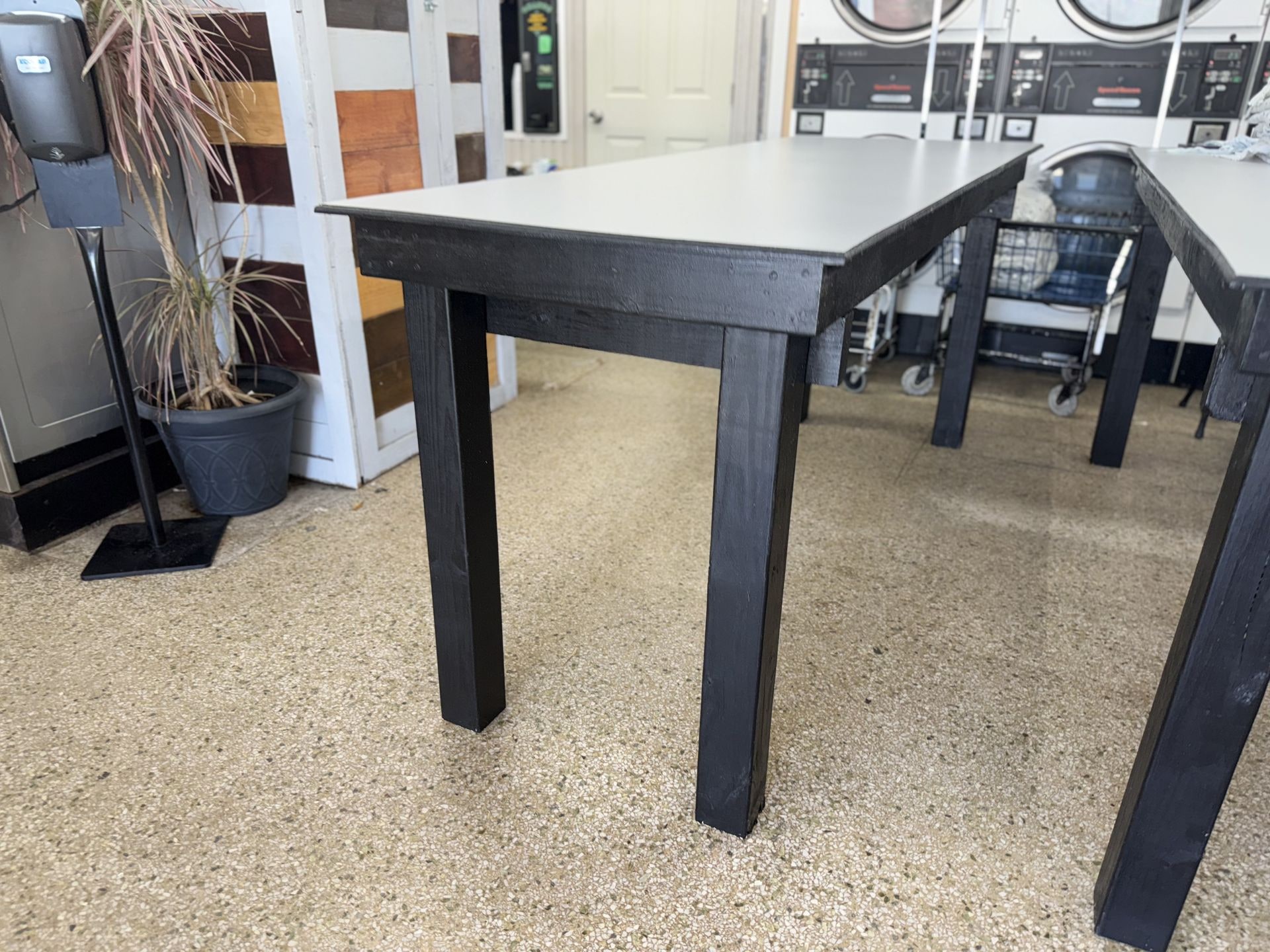
In Florida the question is not "what wood looks good?" — it is "what wood is still here in 2035?" Humidity, UV, and salt air pick the winners. Here is the honest ranking we give every outdoor-furniture customer in Orlando.
1. Teak — the obvious answer
Teak (real Burmese teak, not "Asian teak" which is a different species) is naturally oily, which means it shrugs off water without sealing. Outdoor teak furniture in Florida lasts 30 to 50 years with zero maintenance. Left alone, it weathers to a soft silver-gray. Oiled annually, it stays the warm honey color from day one.
- Cost: the highest of any common outdoor wood. A teak dining table seats 6 for $3,500-$6,000 in our shop.
- Look: golden brown new, silver-gray weathered. Both look intentional.
- Best for: furniture you want to pass to your kids. The buy-once option.
2. Ipe — the tropical hardwood underdog
Brazilian ironwood. Twice as dense as oak. It is so heavy it does not float. Termites do not eat it. UV does not bleach it. In Florida ipe outdoor furniture realistically lasts 40 to 75 years. The catch: it is brutal to work with — dulls every blade we own — so the labor cost is high.
- Cost: roughly 0.75x teak in materials, but 1.2x in labor. Net: comparable to teak.
- Look: dark chocolate, often with subtle grain figure. Weathers gray like teak.
- Best for: dock seating, pool surrounds, any piece that has to fight standing water.
3. White oak — the value pick
Northern white oak (not red oak — red oak rots in Florida). The closed grain keeps water out, and a polyurethane spar varnish every 3-5 years takes care of UV. 15 to 25 years of life with that maintenance schedule.
- Cost: about half of teak. A 6-seat dining table runs $1,800-$2,800.
- Look: pale tan when new, golden honey under oil finish, weathers to silver-gray if left bare.
- Best for: covered-patio dining sets where you can re-coat every few years.
4. Western red cedar — light + soft
Cedar is light enough to drag across a lawn one-handed, which is a real feature for benches and Adirondacks. 10 to 15 years outdoor life in Orlando without re-oiling, longer if you keep up with an oil coat every two years.
- Cost: roughly 0.5x white oak. A cedar Adirondack runs $400-$700.
- Look: reddish-pink new, silver-gray weathered. Smells like a cedar closet for the first year.
- Best for: casual seating, garden benches, planter boxes.
5. Bald cypress — Florida's native answer
Cypress is what Florida originally built itself with — it grows in swamps so it is genuinely rot-resistant. 20 to 30 years outdoor life with no chemical treatment. Becoming harder to source as the old-growth stands run out, but new-growth cypress is still real cypress; the lifespan is just a touch shorter.
- Cost: similar to white oak.
- Look: pale yellow new, weathers to a warm gray with reddish undertones.
- Best for: Florida-vernacular pieces — porch swings, swamp-house furniture, anything that wants the regional vibe.
What never to use outdoors in Florida
Pine (any species, untreated), red oak, soft maple, poplar, walnut. Walnut in particular looks great in the showroom and disintegrates within 3 years on a porch. The store furniture you regret buying is almost always one of these woods with a thin veneer.
Our default recommendation
For dining + entertaining furniture you actually use, we lead with white oak under a marine-grade spar varnish — the cost-to-lifespan ratio is unbeatable. For pieces that sit in standing water (dock benches, planters near a sprinkler) we go ipe. For the "buy it once" customer, teak. We will quote all three so you can pick eyes-open.
Send us the rooms and the pieces you are thinking about — we will come back with a wood-species recommendation and a real cost range, usually within one business day.
- #outdoor-furniture
- #teak
- #ipe
- #cypress
- #cedar
- #white-oak
- #florida
- #humidity