

Sustainable Lumber Sourcing: FSC, PEFC, Reclaimed Wood, and Urban Timber
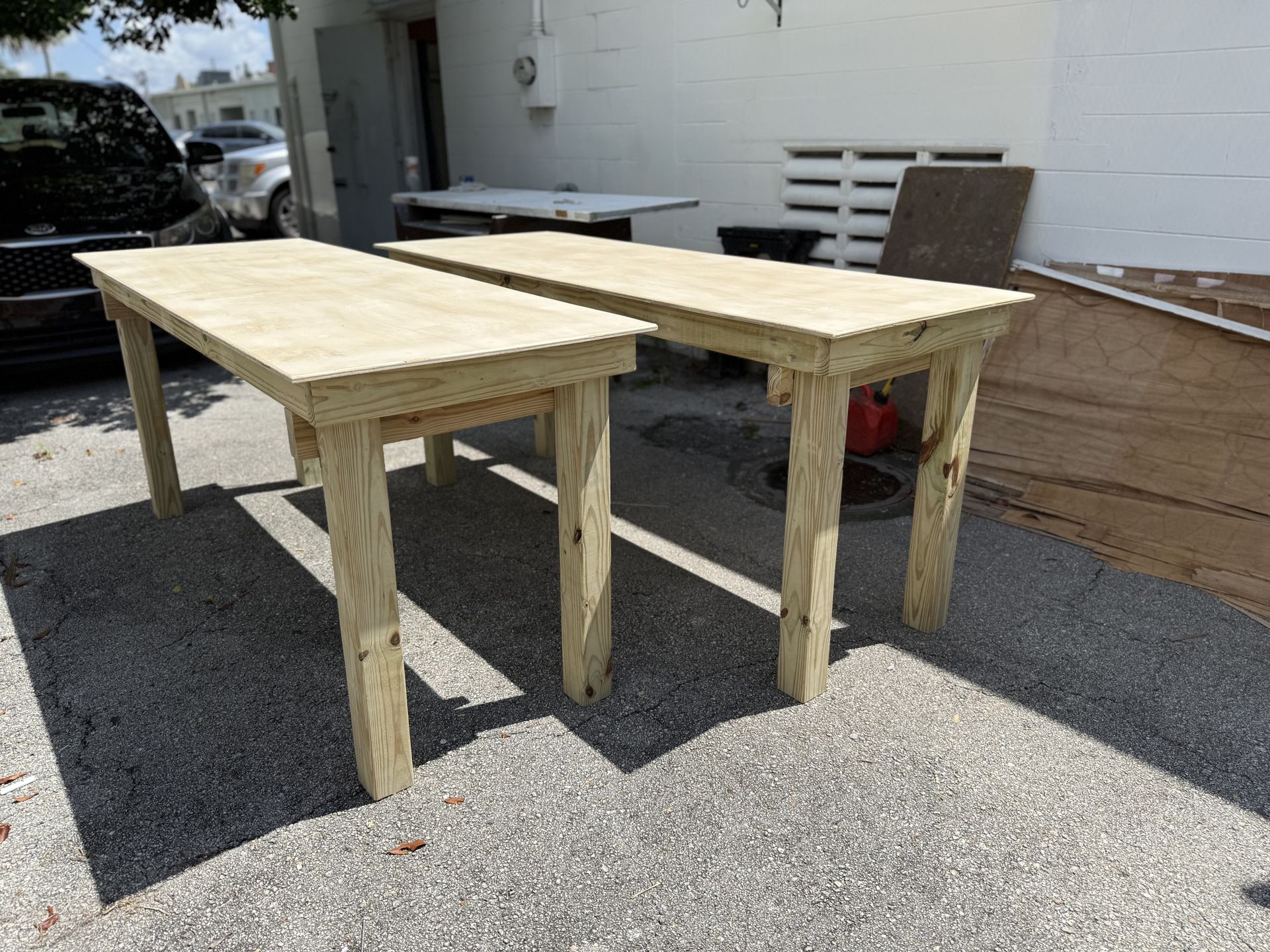
Sustainable lumber sourcing is no longer a niche market position — it is a client expectation in the premium custom furniture segment in 2026. A substantial portion of custom furniture buyers now ask about material provenance, and a growing percentage make purchasing decisions based on it. This guide covers the forest certification systems, reclaimed wood sourcing, and urban timber programs that allow a woodworking shop to source responsibly and communicate that sourcing credibly.
The Forest Certification Landscape
Two major international forest certification systems cover the majority of certified timber in the U.S. market: the Forest Stewardship Council (FSC) and the Programme for the Endorsement of Forest Certification (PEFC). Understanding what each certifies and what the certifications actually mean is essential for making credible sustainability claims.
FSC (Forest Stewardship Council)
FSC is the most recognized forest certification system in the U.S. consumer market. Founded in 1993, FSC certification has three categories:
- FSC Forest Management (FM) certification: Certifies that a specific forest operation is managed according to FSC Principles and Criteria — covering ecological function, biodiversity, worker rights, and community relations. Forest managers who receive this certification can label their timber "FSC 100%."
- FSC Chain of Custody (COC) certification: Tracks FSC-certified material through every step of processing and distribution — from sawmill to wholesale distributor to retailer. A furniture shop that purchases FSC-COC lumber and wants to sell finished furniture with the FSC label must itself be COC-certified.
- FSC Controlled Wood: A risk-avoidance system for companies that cannot source 100% FSC material. It verifies that wood is not from clearly unacceptable sources (illegal logging, high-conservation-value forests, areas where civil rights are violated). Controlled Wood material can be mixed with FSC FM material in "FSC Mixed" labeled products.
Getting FSC COC certified: For a small custom furniture shop, FSC COC certification costs approximately $500–$2,000/year in audit and certification fees through a FSC-accredited body (SmartWood/Rainforest Alliance, SCS Global Services, Bureau Veritas). The certification allows use of the FSC logo on products and in marketing. Required for any shop that wants to make FSC claims on finished furniture.
PEFC (Programme for the Endorsement of Forest Certification)
PEFC is the European-origin equivalent of FSC, which endorses national forest certification systems. In the U.S., PEFC endorses the Sustainable Forestry Initiative (SFI) certification, which is the primary North American private landowner certification system.
SFI vs. FSC: SFI is more widely adopted by large industrial timber companies in the U.S.; FSC is more commonly associated with smaller operations and is better recognized by consumers in the premium market. For a custom furniture shop marketing sustainability to residential clients, FSC recognition is higher.
What Certification Actually Means (and Doesn't)
Certification verifies process, not perfection. An FSC-certified forest must meet specific ecological management criteria but still harvests timber commercially. Certification does not mean:
- No tree is ever cut (sustainable harvest rates allow continued cutting)
- Zero environmental impact from logging operations
- Equivalent to ancient-growth forest preservation
What certification does mean:
- Harvest rates are within the forest's regeneration capacity (no liquidation)
- Workers meet ILO labor standards (no child labor, wage floors)
- High-conservation-value areas within the certified forest unit are identified and protected
- Third-party auditors verify compliance at the forest level
This is meaningfully better than uncertified wood, which has no verified management standards.
Reclaimed Wood: The Highest Sustainability Profile
Reclaimed wood — structural lumber, flooring, and timbers recovered from demolished buildings, bridges, barns, and industrial structures — has zero harvest footprint. It is the most defensible sustainability claim in the furniture industry.
Common Reclaimed Sources
Barn wood: Eastern and Midwestern barn demolitions produce significant quantities of hand-hewn oak and chestnut beams, siding boards, and flooring. Pre-1900 barns often contain American chestnut (virtually extinct in standing timber due to the chestnut blight of 1904–1940) that is unavailable from any other source. Barn wood character: weathered surfaces, nail holes, checking, and patina that cannot be replicated.
Industrial flooring: Old-growth heart pine, hard maple, and Douglas fir from factory floors, bowling alleys, and gymnasium floors. These timbers were cut when old-growth forests were still intact; the tight grain, high resin content, and density are not available in today's second-growth lumber. A reclaimed old-growth heart pine dining table is a genuinely irreplaceable material — there is no new-growth equivalent.
Structural timbers: Warehouse and mill buildings built before 1950 often used massive Douglas fir, white oak, and longleaf pine beams. These are cut into slabs, live-edge pieces, and thick furniture components by specialty suppliers.
Architectural salvage: Flooring, millwork, window and door frames from house demolitions — often 4/4 and 8/4 material in species that would be expensive to source new.
Sourcing Reclaimed Wood
- Regional salvage yards: Most metro areas have architectural salvage businesses that accumulate demolition material. Quality varies; inspection before purchase is essential.
- Specialty reclaimed lumber dealers: Elmwood Reclaimed Timber (Kansas City), Longleaf Lumber (Boston), Pioneer Millworks (Rochester) and dozens of regional equivalents offer cleaned, kiln-dried reclaimed material with documented provenance.
- Craigslist/Facebook Marketplace: Barn demolitions and house renovations routinely appear. Buying direct means lower price and direct provenance knowledge; it also means more sorting, drying, and nail removal.
- Deconstruction contractors: Contractors who specialize in building deconstruction (rather than demolition) recover and sell structural materials. The Deconstruction Institute maintains a contractor directory.
Processing Considerations
Reclaimed wood presents technical challenges:
- Embedded metal: Nails, bolts, and hardware that can destroy jointer and planer blades, bandsaw blades, and tablesaw blades. Use a metal detector on every board before any machine contact.
- Insect damage: Some barn wood contains dormant or active wood-boring insects. Kiln treatment (130°F for 30 minutes per USDA APHIS standards) eliminates all life stages.
- Moisture content: Old barn wood and salvaged exterior material may be at 15–25% MC. Kiln or extended air drying is required before furniture production.
- Chemical contamination: Industrial flooring from certain manufacturing environments may contain chemical contaminants. Know the provenance.
Urban Timber Programs
Urban trees — street trees, park trees, and residential trees — that are removed for disease, storm damage, or construction often represent high-quality hardwood that would otherwise go to chips or landfill. Urban timber programs recover and mill these logs into usable lumber.
The Urban Wood Network
The Urban Wood Network (urbanwoodnetwork.org) is the primary national organization connecting urban log sources with millers and end users. Member organizations in major cities accept logs from municipal tree services, private arborists, and utility contractors, mill them on portable Woodmizer sawmills, and supply air-dried lumber to local craftspeople.
Urban timber species frequently available: white oak (street trees in Eastern cities), American elm (disease-resistant cultivars common in municipal plantings), Norway maple, black walnut, and in Southeastern cities: live oak and pecan.
The Local Sourcing Story
Urban timber has a marketing advantage beyond sustainability: hyper-local provenance. A dining table built from a white oak that grew for 80 years in the buyer's city neighborhood, removed by the city after storm damage, carries a story that no standard lumber product can match. This story has commercial value for premium custom furniture.
Several custom furniture shops in major U.S. cities have built explicit "urban wood" brands — sourcing exclusively from urban salvage, documenting each log's origin (tree species, neighborhood, removal reason), and passing that story to the buyer with each piece. This differentiation commands a 10–25% price premium over comparable pieces in non-urban-sourced material.
The Business Case for Sustainable Sourcing
Beyond environmental responsibility, sustainable sourcing has a business rationale:
Market differentiation: FSC certification, reclaimed material, and urban timber provenance separate a shop from competitors who source from standard wholesale dealers. In the premium segment (pieces over $2,500), a documented sustainability story influences purchase decisions for a significant portion of buyers.
Press and media access: Shops with credible sustainability stories get disproportionate press coverage in shelter publications, local lifestyle media, and design blogs. This organic marketing has value that paid advertising cannot replicate.
Commercial client access: Architectural firms and interior designers working on LEED-certified projects or sustainability-focused residential clients specify FSC-certified materials in their procurement standards. FSC COC certification opens commercial project categories unavailable to non-certified shops.
Pricing resilience: Premium sustainable provenance — especially reclaimed old-growth or urban-sourced material — commands higher material prices that clients accept, which improves gross margin on those pieces relative to standard hardwood pricing.
References: Forest Stewardship Council, FSC Principles and Criteria for Forest Stewardship (2018). Programme for the Endorsement of Forest Certification, PEFC International Standard ST 2002:2020. IARC Monographs, Volume 100B on Wood Dust. Urban Wood Network, State of the Urban Wood Industry Report (2024). Longleaf Lumber, Reclaimed Wood Species Guide (2025). USDA APHIS, Treatment Standards for Insects in Wood (2023). U.S. Green Building Council, LEED v4.1 Material and Resources Credit: Certified Wood.
- #sustainable
- #FSC
- #PEFC
- #reclaimed
- #urban-timber
- #sourcing
- #lumber
- #environmental